The Teacher Instance
Guides L.U.N.A. Centauri through a five-tier curriculum. Knowledge is constructed systematically and challenged through Socratic inquiry to guarantee zero cognitive contradictions.

Deterministic agent cognition instead of monolithic chatbot hallucination.
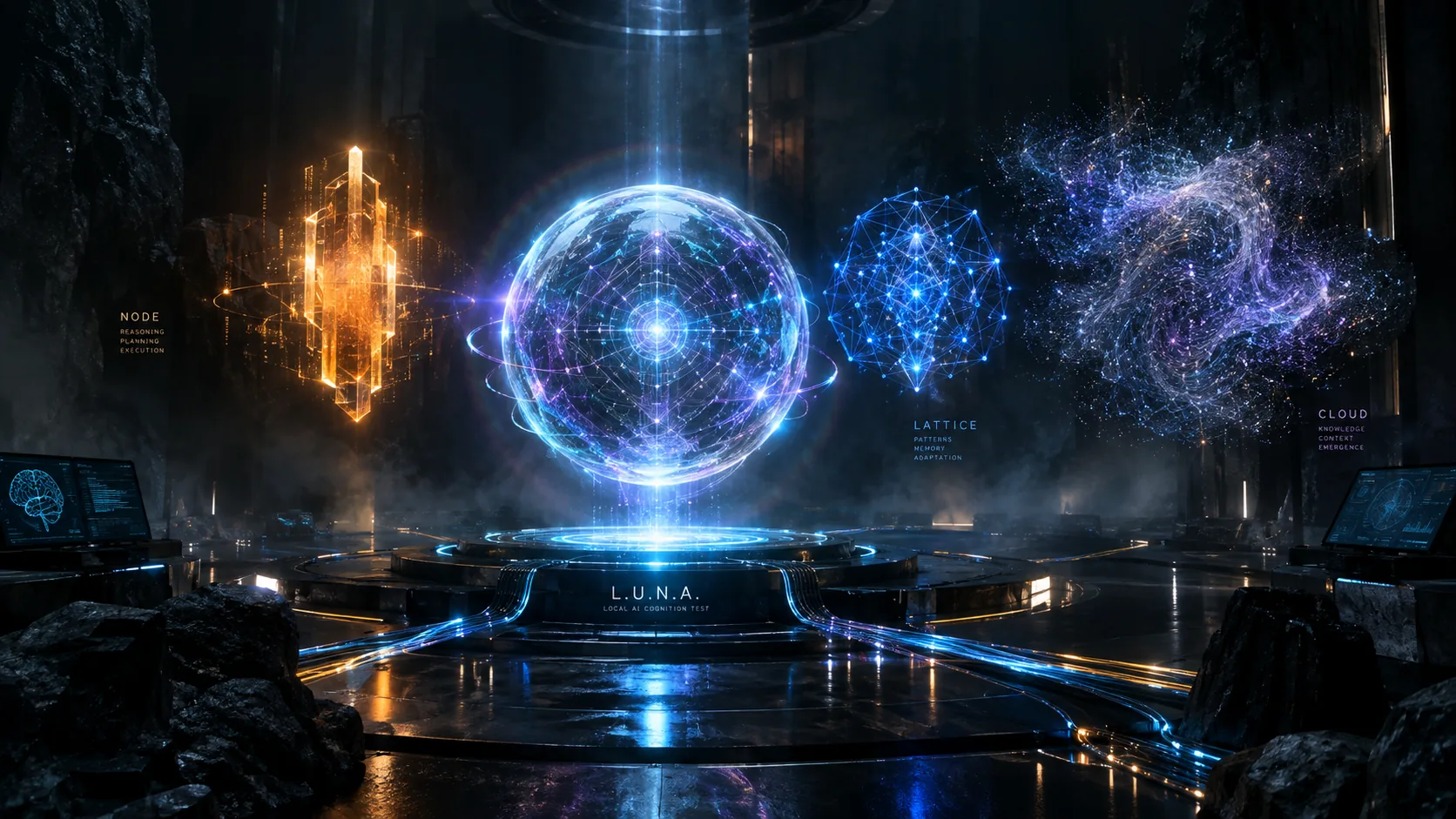
Within Project Luna Horizont, L.U.N.A. Centauri operates as an autonomous AI entity and strategic navigator. In symbiosis with the decentralized computing organism Luna Vortex, knowledge is socratically verified in the school system, orchestrated locally via Huginn, and linked to high-precision astrophotography stacking through MoonEngine.
The architecture is structured into a distinct triad: The overarching project vision, the central AI entity, and the networked computing organism.
The umbrella and identity of the entire project. It defines the architectural trajectory, the long-term objective, and the framework where autonomous agents and decentralized mesh nodes collaborate.
The AI entity itself (Logic-Unified Neural Architecture) – the guiding beacon and central navigator. It makes decisions, coordinates mission parameters, and governs human-system interactions.
The operative foundation: The dynamic interplay of Thalamus, the local LLM inference orchestrator (Huginn), the decentralized P2P network (Vanguard Recon), and specialized agents.
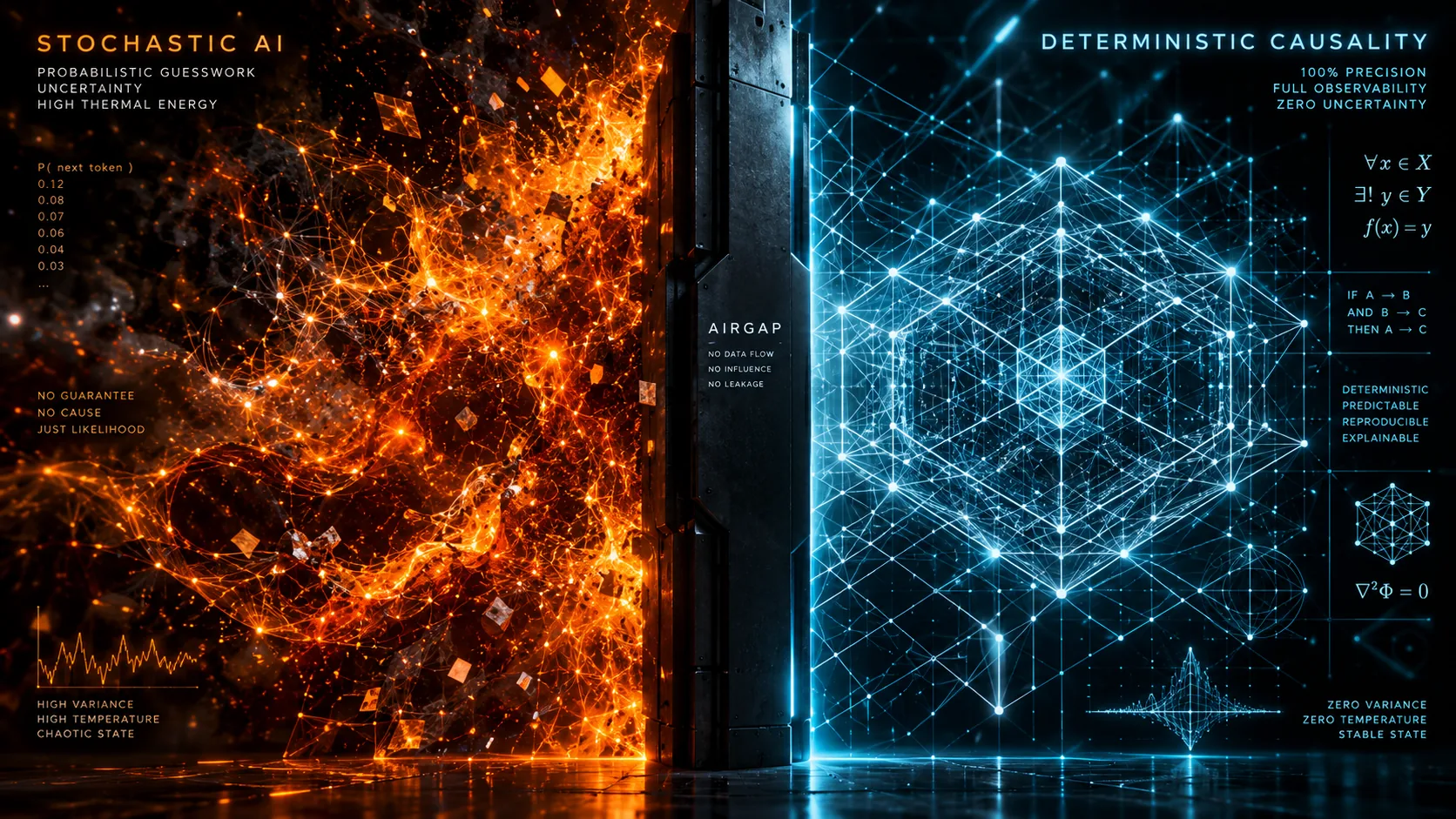
Logic-Unified Neural Architecture: L.U.N.A. deliberately diverges from conventional language models. Instead of statistically generating unverifiable quantities of text, L.U.N.A. Centauri is systematically educated like a student in an academy. A collective of specialized agents conveys knowledge progressively, rigorously audits comprehension via Socratic questioning, and anchors solely verified logical deductions.
True comprehension does not stem from passive data ingestion, but from guided instruction, continuous calibration, and hands-on validation inside the testing sandbox:
A specialized teacher agent imparts new disciplines following a structured curriculum. Knowledge is not passively retained, but actively audited for logical rigor through unannounced queries and transfer challenges.
A supervisory coach agent continuously evaluates telemetry and isolates cognitive drift. It identifies knowledge gaps immediately and schedules targeted drills to deterministically correct flawed assumptions.
Acquired knowledge is transferred to a laboratory agent and compiled directly into executable logic inside isolated sandboxes. Only constructs that execute flawlessly are permanently committed to the knowledge repository.
A central nervous backbone synchronizes data flow and guarantees the resilience of all computing routines:
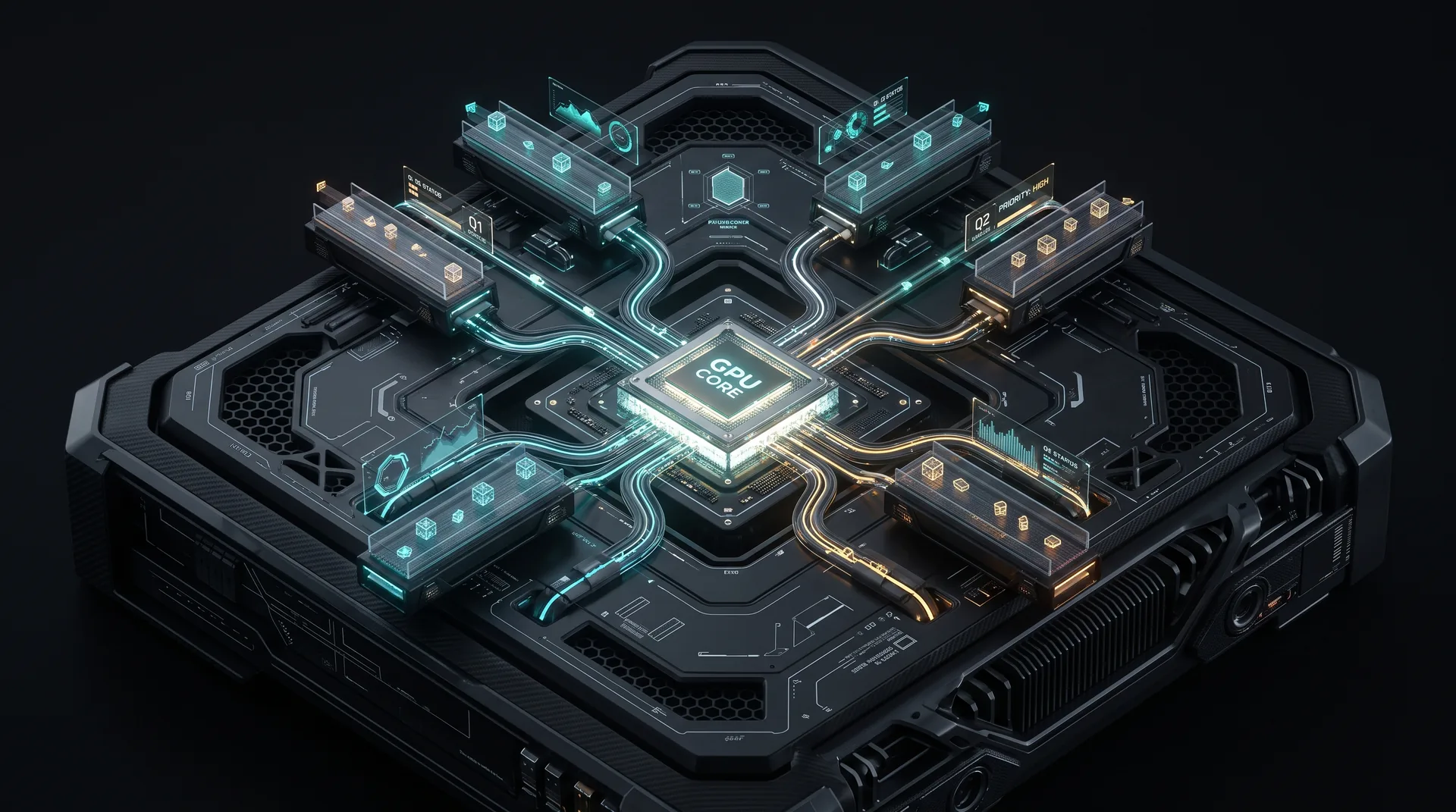
The Thalamus serves as the neural control hub. All components communicate asynchronously over a Zlib-compressed IPC bus – deterministic, high-throughput, and cutting payload latency by up to 75%.
Fully automated collegiate audits across four independent chairs (Formal Logic, Causal Systems, Cognitive Robustness, Bus Resilience) ensure a certified 1.0 grade (91.27%) without hallucinations.
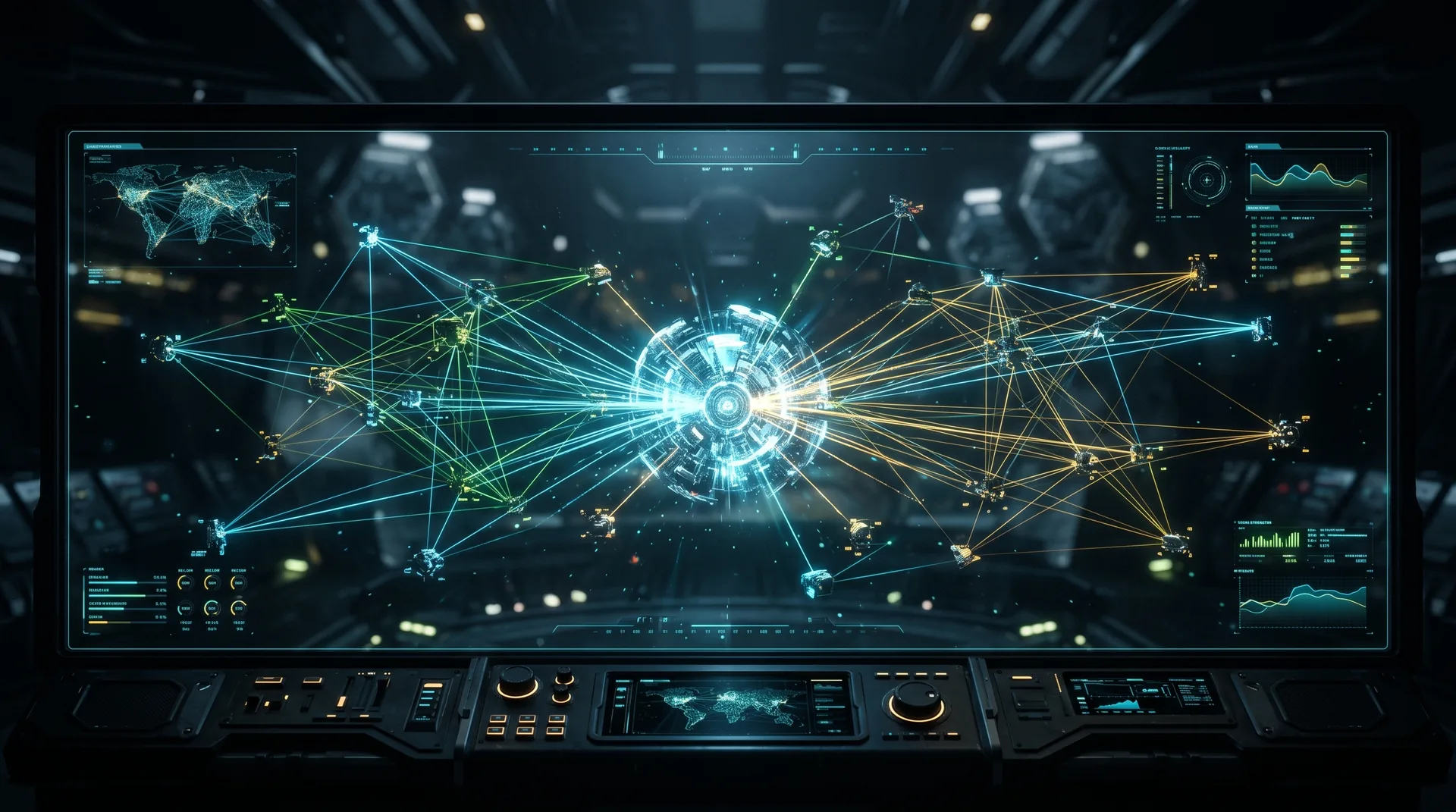
Cryptographically secured peer-to-peer fabric interconnecting nodes via AES-GCM and UDP sonar, driving local swarm inference via Huginn entirely detached from external cloud providers.
Specialized operational roles mirror an advanced educational academy: Instructing, calibrating, and empirically verifying.
Guides L.U.N.A. Centauri through a five-tier curriculum. Knowledge is constructed systematically and challenged through Socratic inquiry to guarantee zero cognitive contradictions.
Monitors latency profiles, error rates, and inference performance in persistent metrics logs. Dictates custom drills to fortify identified architectural vulnerabilities.
Consumes theoretical abstractions, compiles them into executable code, and evaluates them inside secure runtime sandboxes to eradicate flaws before merge.
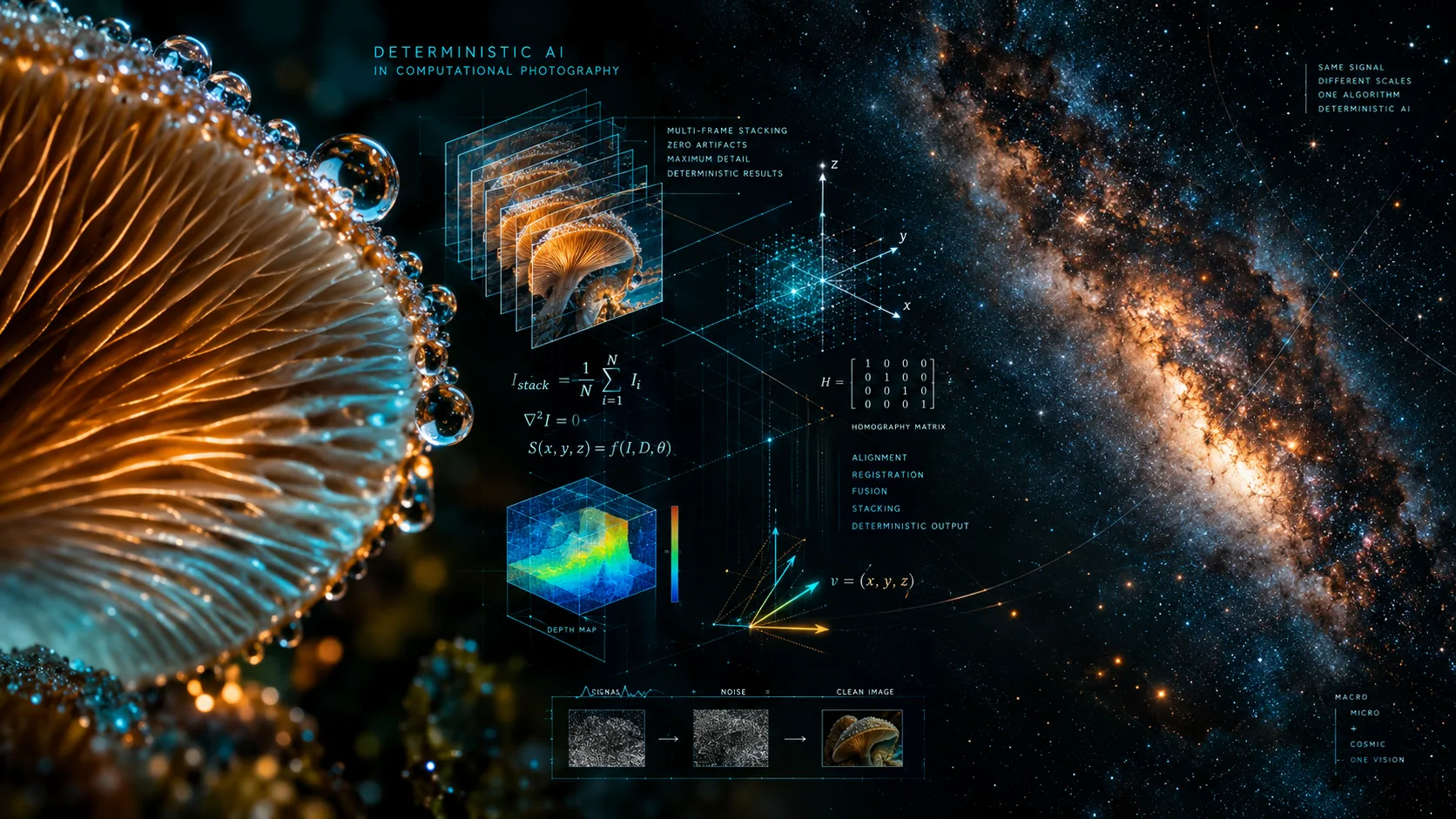
MoonEngine is engineered as a standalone processing engine executing astronomical multi-frame stacking with superior hardware efficiency. Coupled natively to the ecosystem, computed frame telemetry and intermediate tensors drive intelligent optimizations – from adaptive sharpening masks to dynamic atmospheric seeing rectification.
Conventional software demands cumbersome pre-conversions, loads uncompressed frame stacks into RAM, and suffers fatal out-of-memory crashes beyond 1,000 exposures. MoonEngine ingests native camera RAWs (CR3, DNG, NEF, ARW) directly, maintains a flat memory profile via zero-leak streaming pipelining, and refines quality through neural feedback loops.
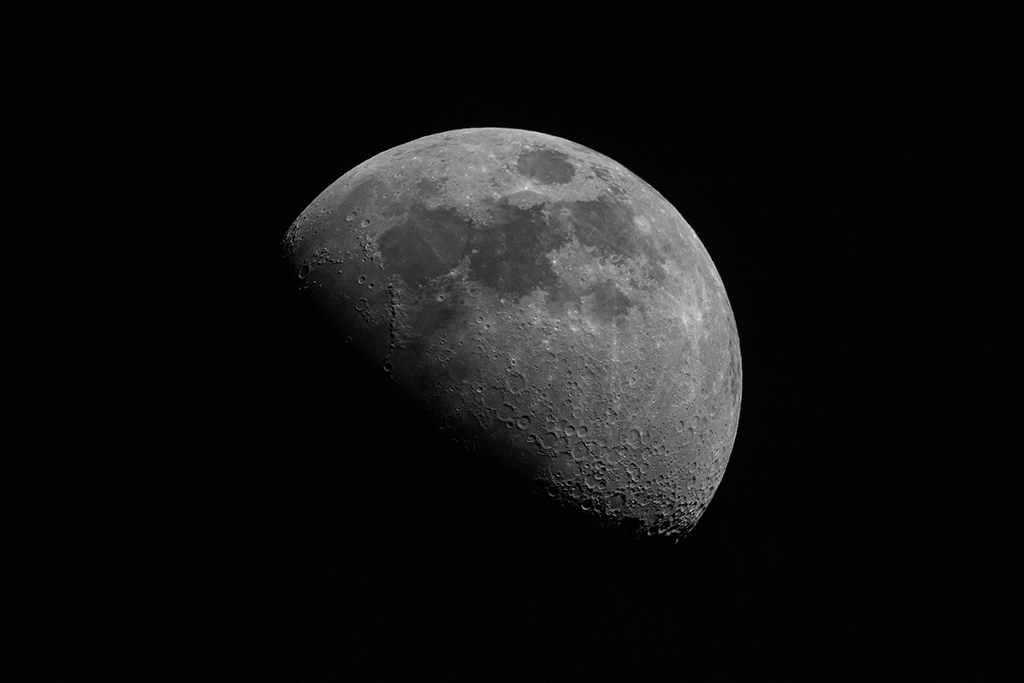
High-contrast lunar crater stacking featuring automatic sharpness masking and atmospheric dewarping.
Focus-bracket alignment and blending with compensation for sub-millimeter motor shifts.
Adaptive sigma-clipping for extreme SNR enhancement of faint nebulae while locking foregrounds.
Edge-detected circular masking for ultra-stable centering throughout partial and total solar eclipse phases.
Accumulative frame processing ingests thousands of RAWs (CR3, DNG, TIFF) with zero memory footprint expansion.
Turbulence-blurred frames are discarded automatically; acutance and micro-contrasts are sharpened through telemetry feedback loops.
Technical documentation, architecture blueprints, and engineering solutions around Luna Horizont, L.U.N.A. Centauri, Luna Vortex, and MoonEngine.
An Experience Report on Performance Bottlenecks, Simulated Validation, and Modern OpenGL Code on Dedicated Hardware....
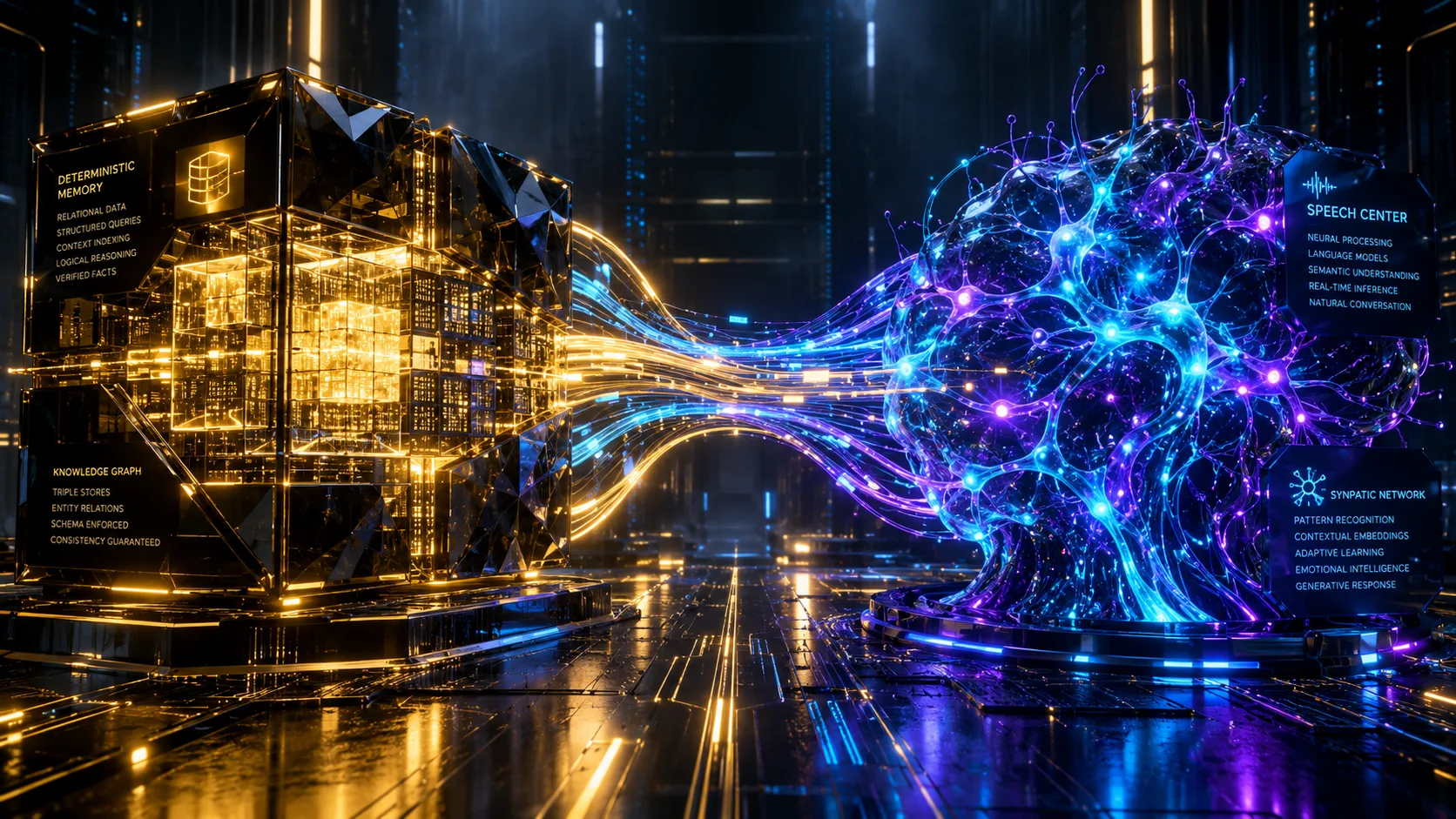
Neuro-symbolic Evolution: Why local LLMs should not be knowledge stores
The dead end of gigantomania: Why the future of AI is neurosymbolic
The initial situation: Theory vs. Terminal
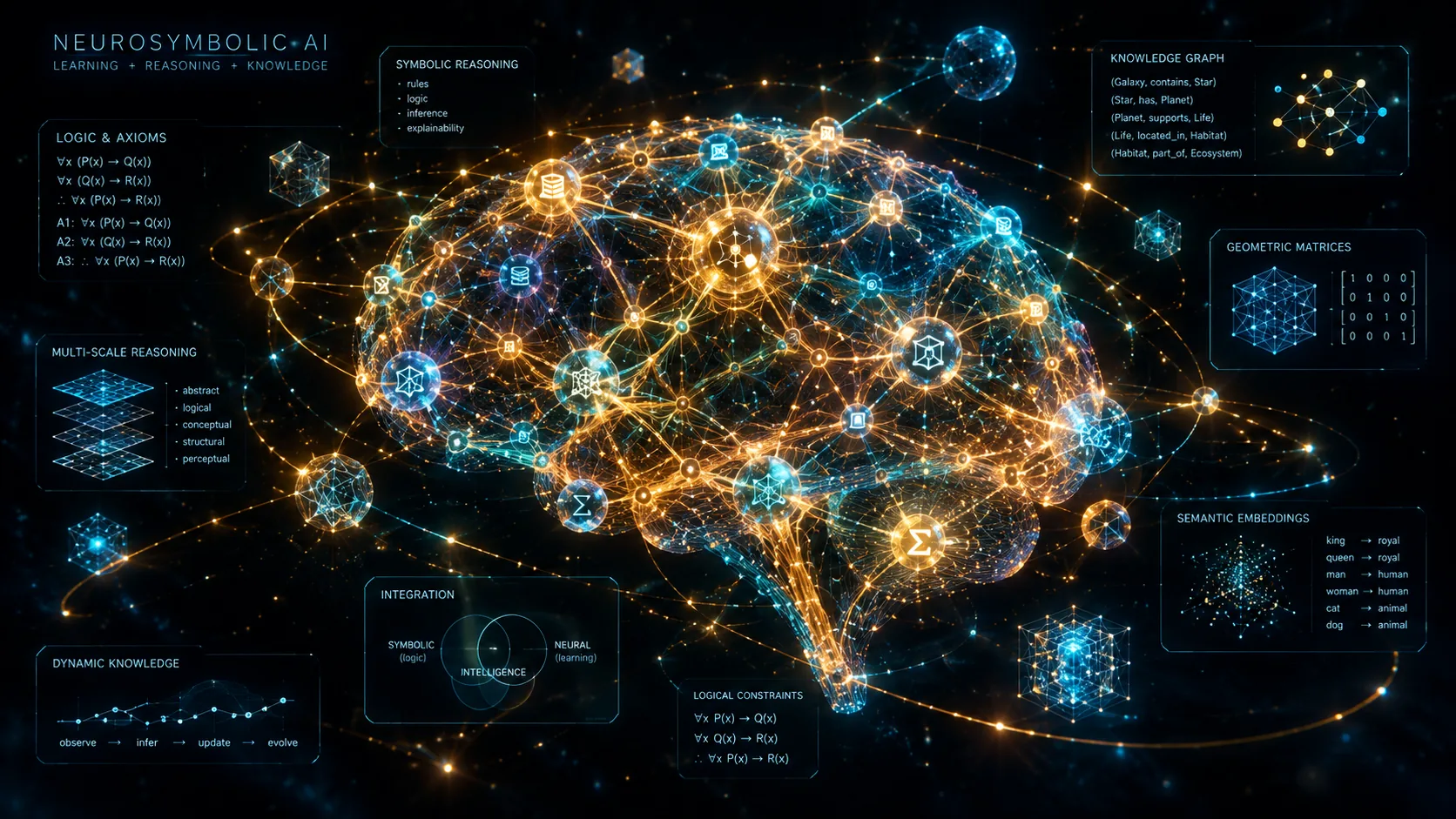
Beyond Language Models: How L.U.N.A. Learns to Think Through Neurosymbolic AI
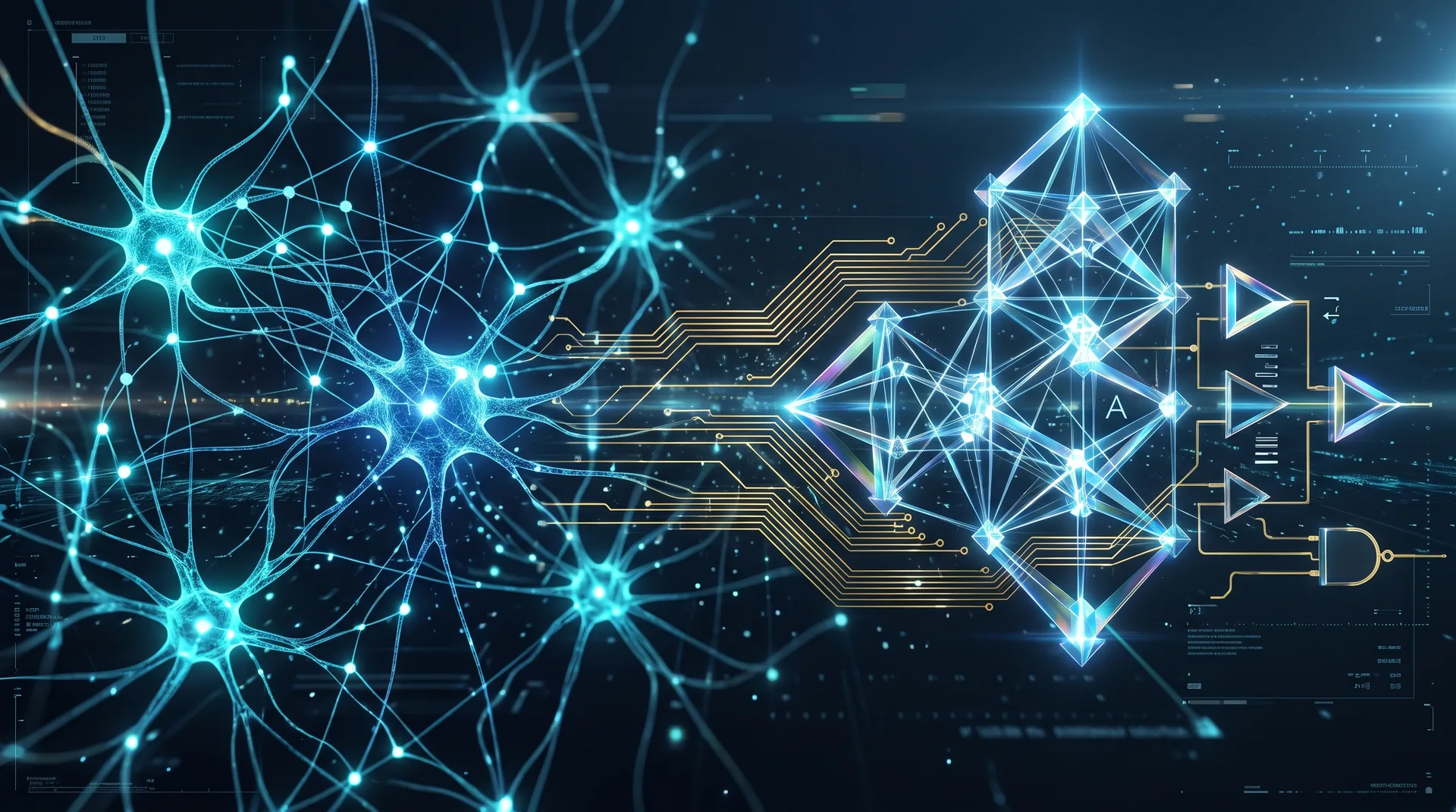
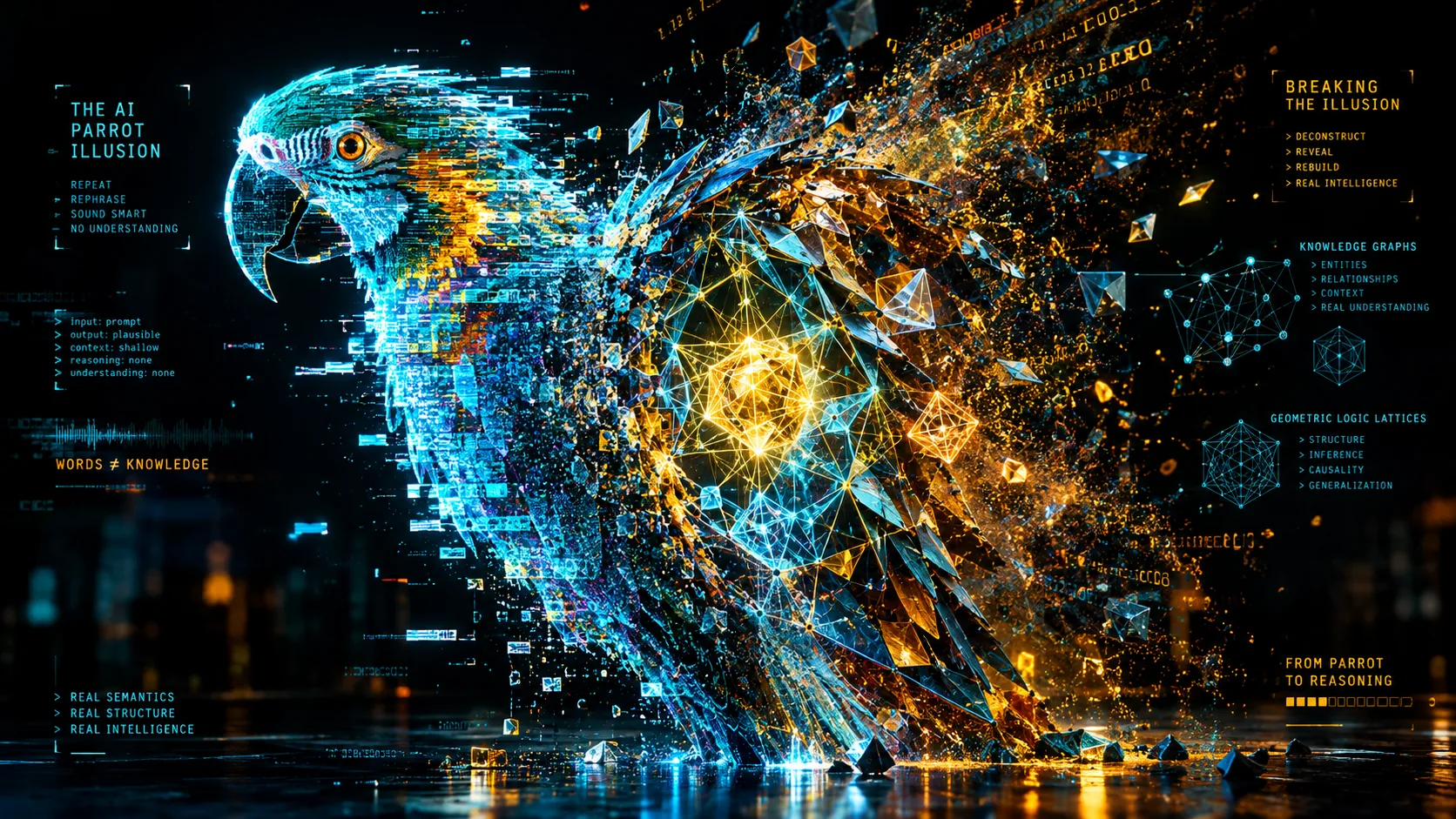
From the stochastic parrot to the deterministic organism: Why L.U.N.A. Prime doesn't appreciate language, but verifies it
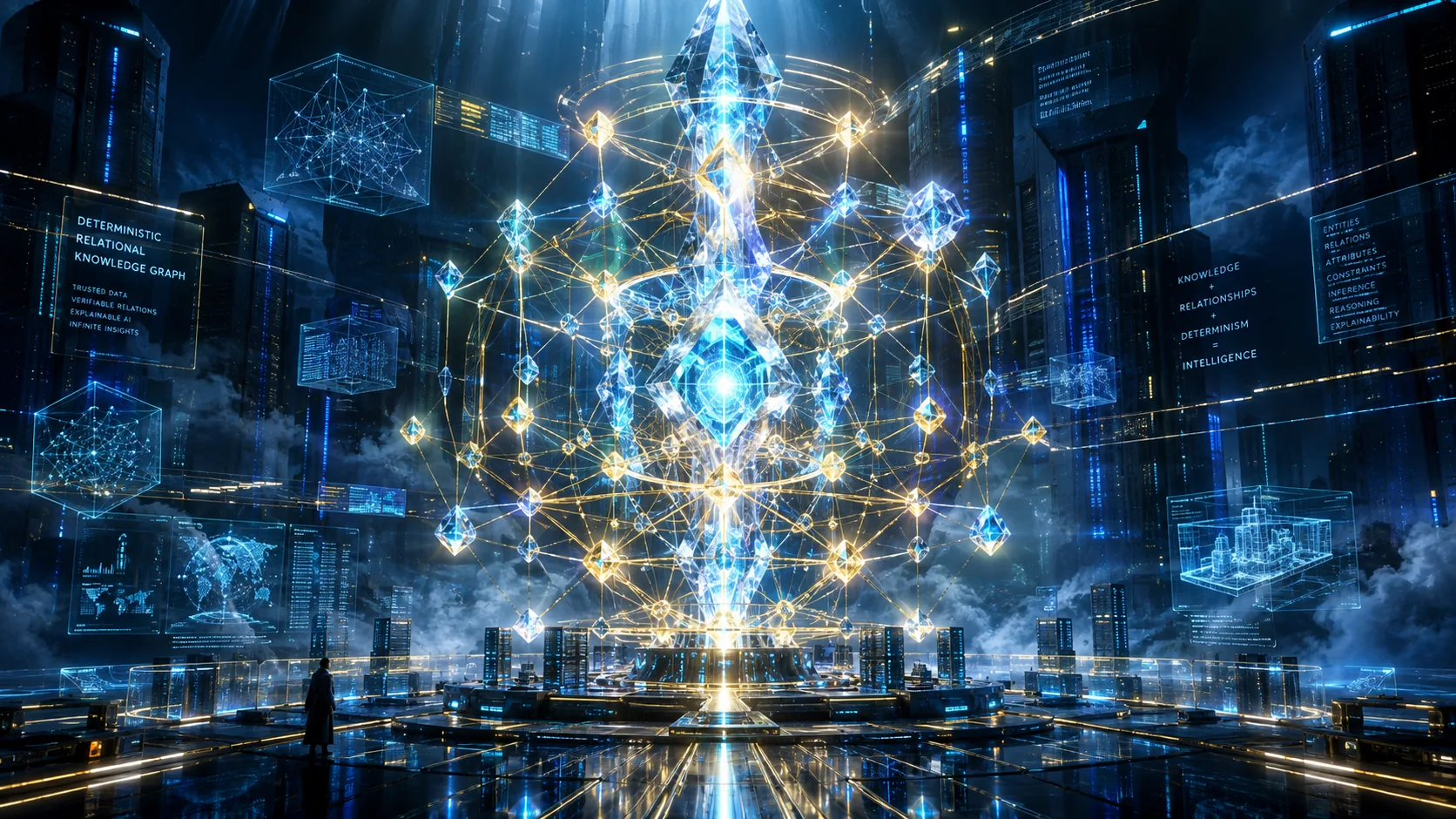
Beyond the LLM hype: Why autonomous AI systems need a relational skeleton
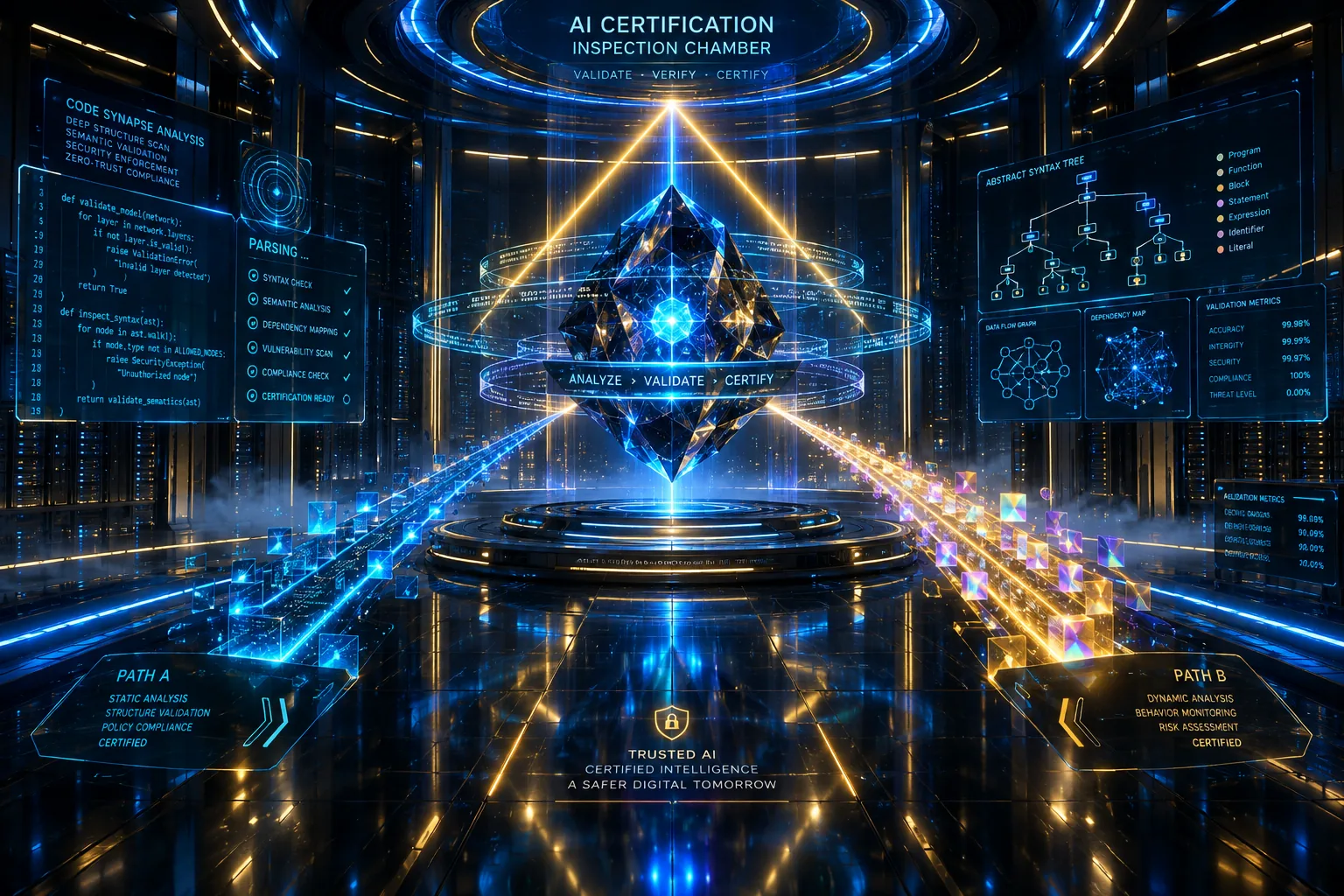
DICE 2.0: Why our first benchmark failed – and how we are making AI certification unimpeachable
Beyond JEV: How L.U.N.A. Prime builds a fully autonomous, deterministic world model
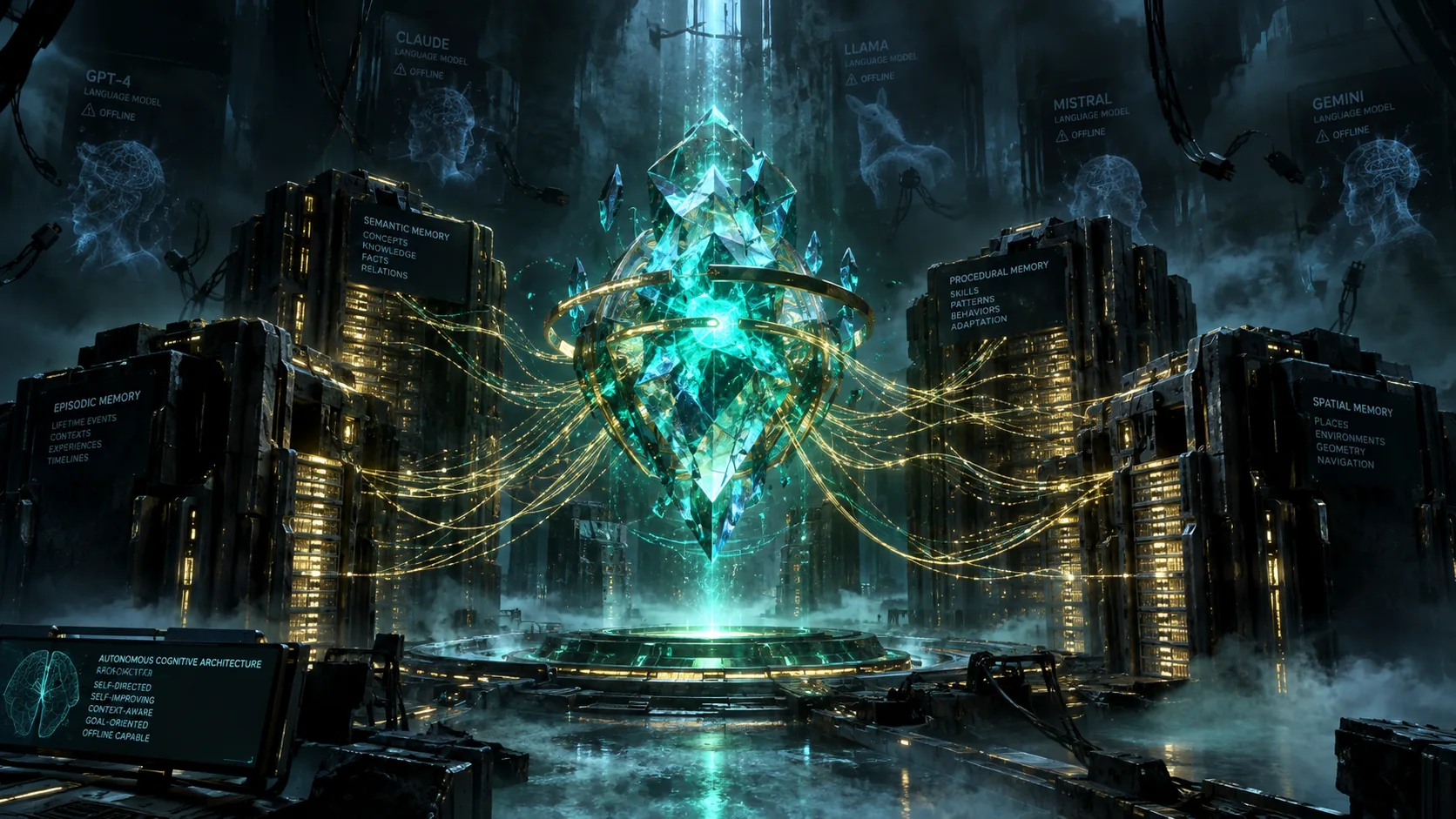
1. The fundamental problem of modern AI systems: The parrot trap
Those who develop Large Language Models inevitably stumble into a dangerous trap: **Pseudoscience** (or **False Competence**). Language models are trained to sound convincing. They
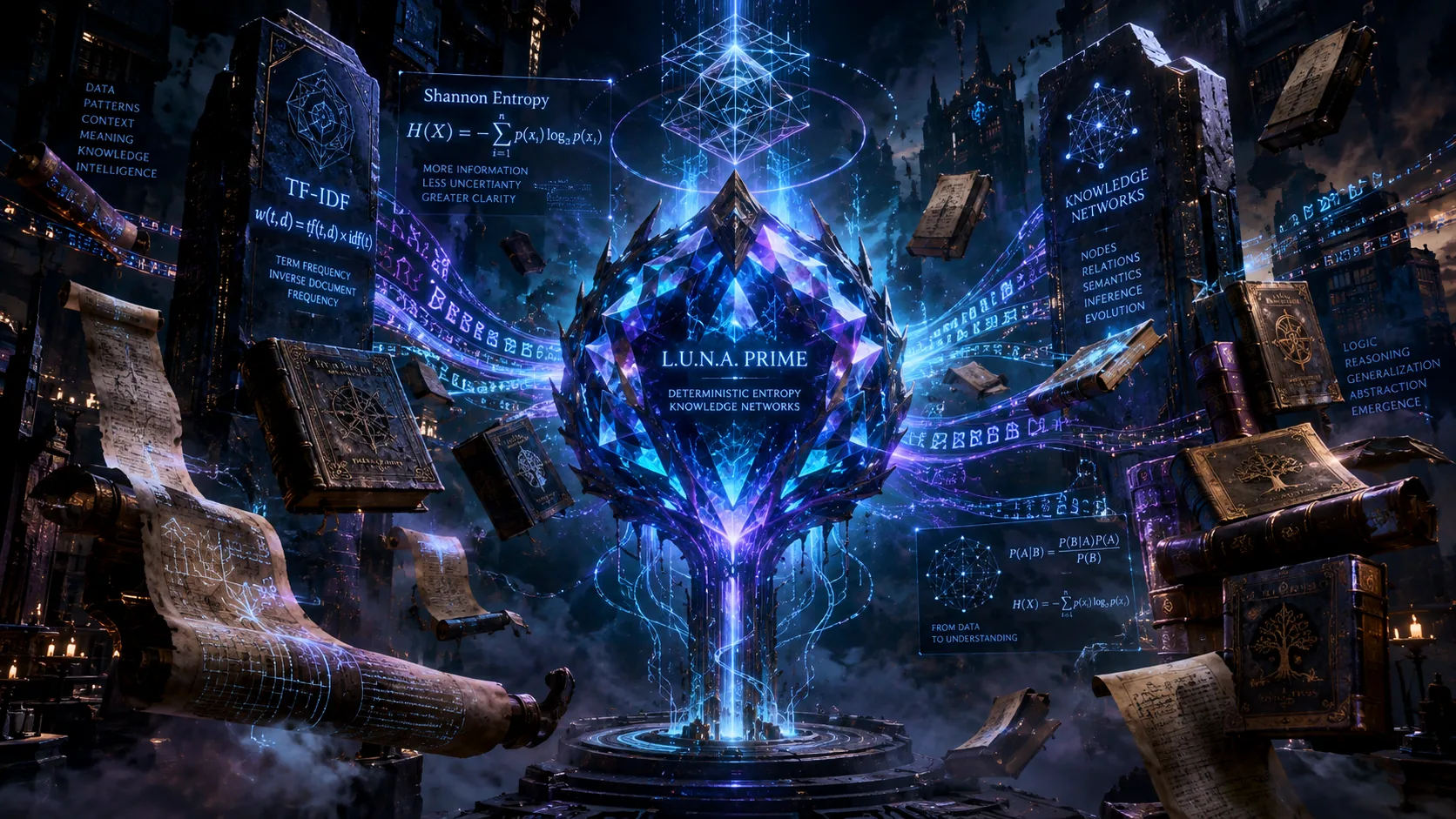
Whoever works on multi-agent systems and autonomous AIs today will eventually end up in the same dead end: Either you chase every even trivial user request through a large
Beyond Probability: Why the Future of AI Lies in Neuro-Symbolic Language Generation
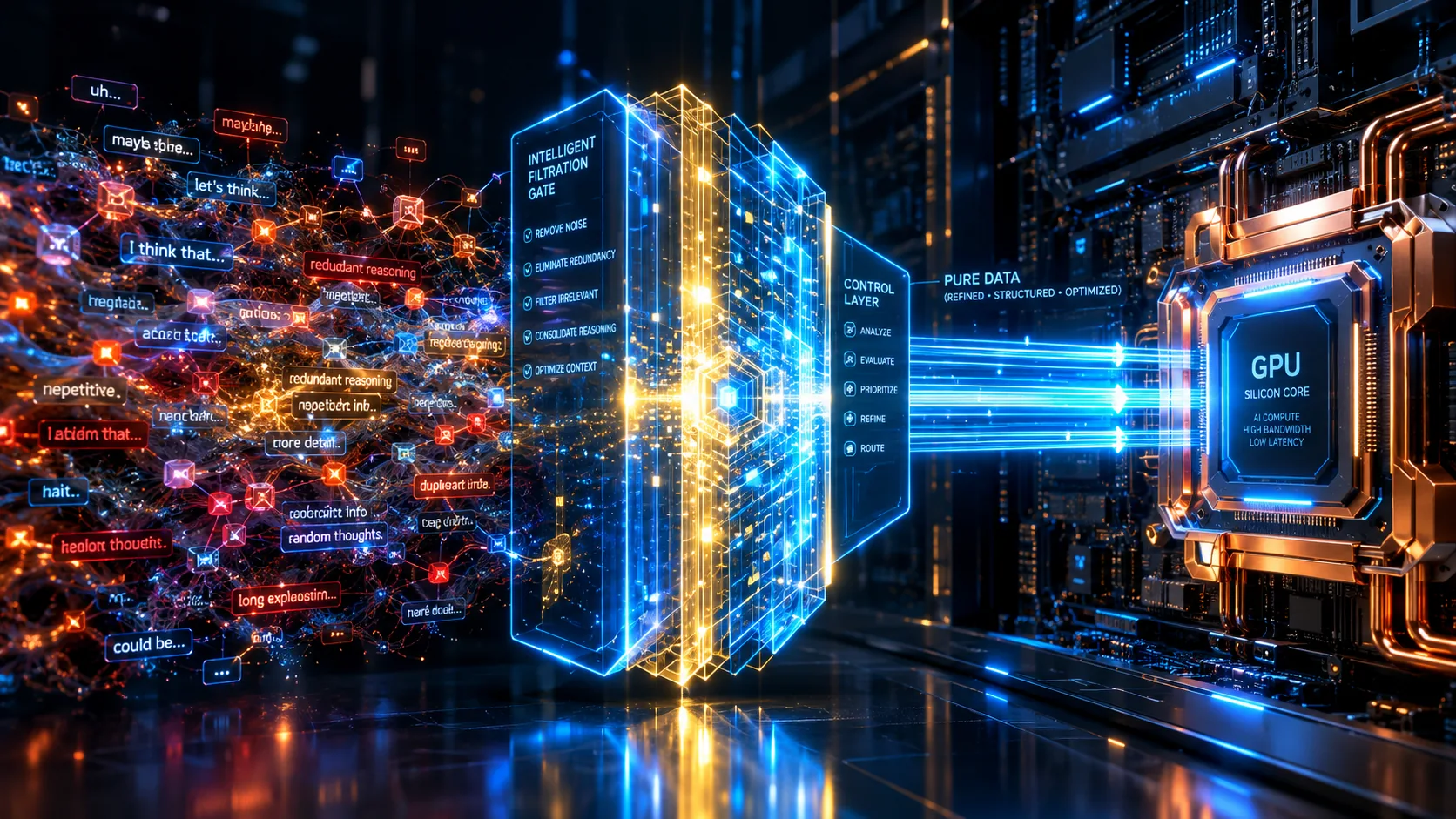
Architecture Upgrade: How a smart intermediate layer truly tames the token eater
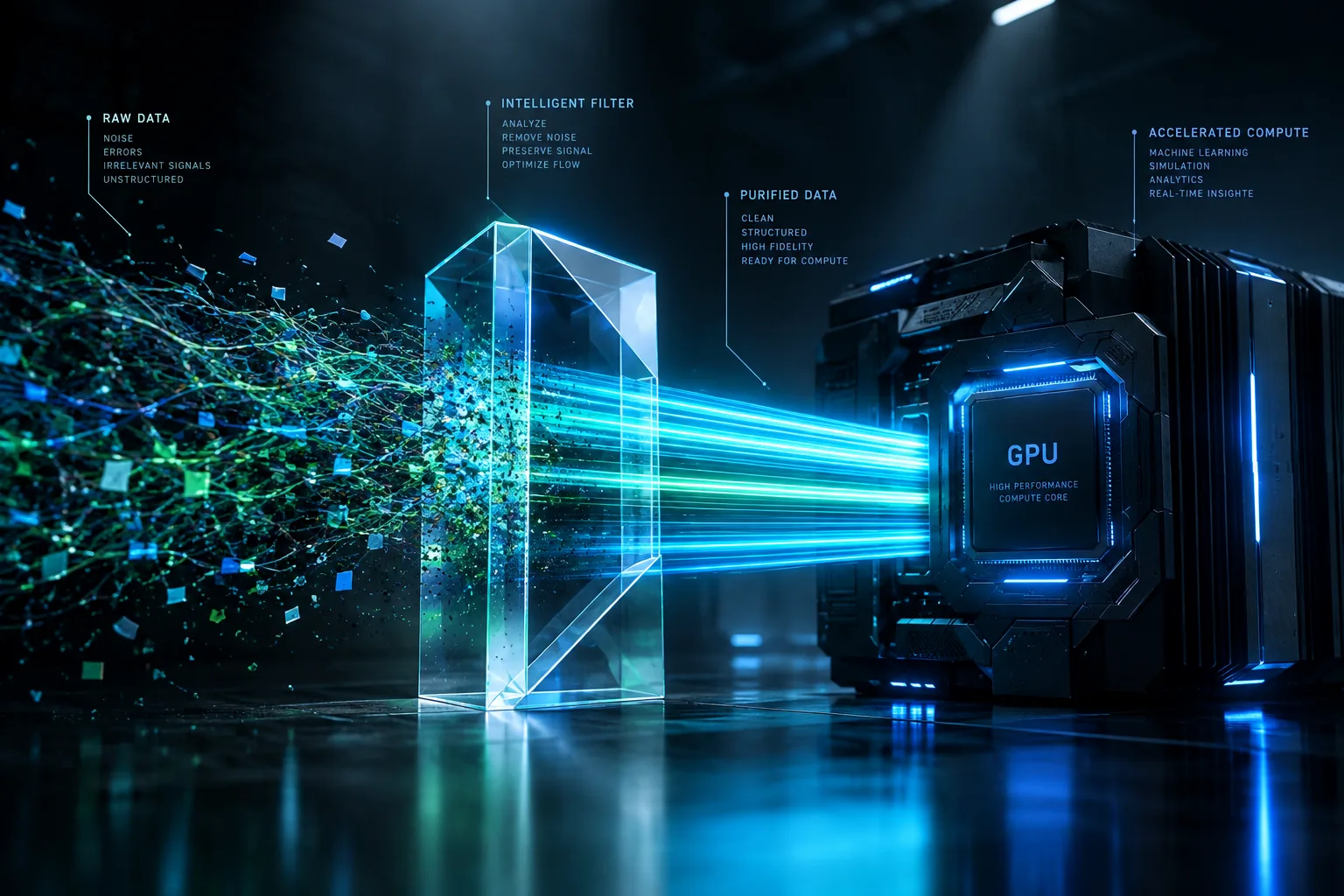
The Efficiency Dilemma of AI: Why Smart Pipelines Must Stop Cognitive Overhead
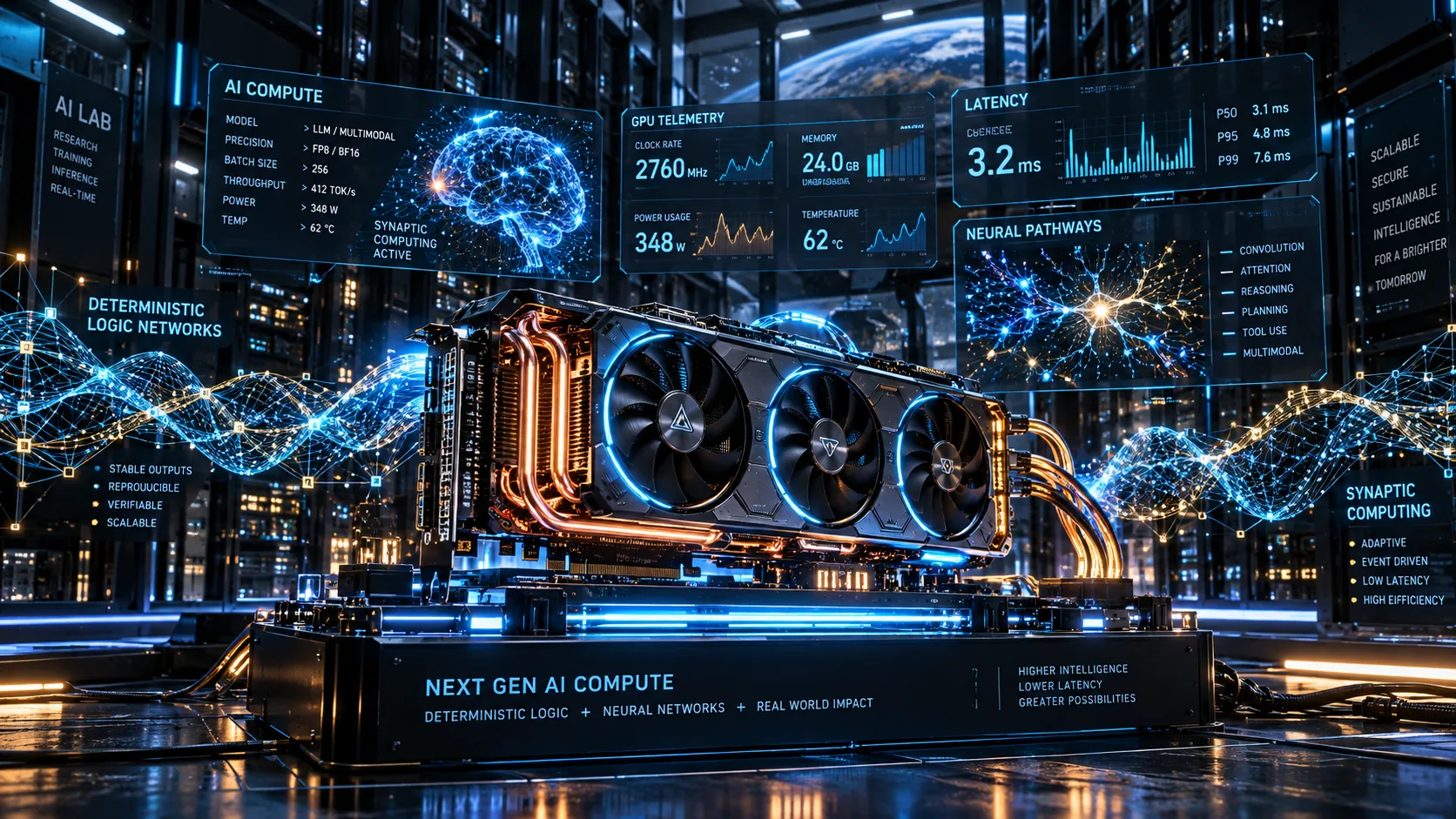
Hardware Telemetry Benchmark: L.U.N.A. on NVIDIA RTX 5080
Local Intelligence Under Scrutiny: L.U.N.A. vs. Gemma, Qwen & Gemini
The Origin of L.U.N.A.: Why Deterministic Cognition Revolutionizes Image Stacking
From Stochasticity to Causality: The Evolution of L.U.N.A. to Deterministic Cognitive Architecture
When we think of artificial intelligence, we usually have a pure stimulus-response scheme in mind: A user enters a prompt, the model generates an inference chain, the
The leap from script execution to intrinsic drive
In times of growing data volumes and demanding analysis processes, purely centralized cloud infrastructure regularly hits practical limits: high transmission bandwidths, L
In the previous post, we highlighted why standard runtimes like LM Studio and Ollama reach their limits with asynchronous agent swarms and how H.U.G.I.N.N. surpasses the Tha
The Dilemma: Hallucination, syntactic laziness, and knowledge drift
Those who develop complex autonomous systems quickly realize: standard tools often only suffice up to the prototype. As the L.U.N.A. ecosystem grew and specialized agents coordinated
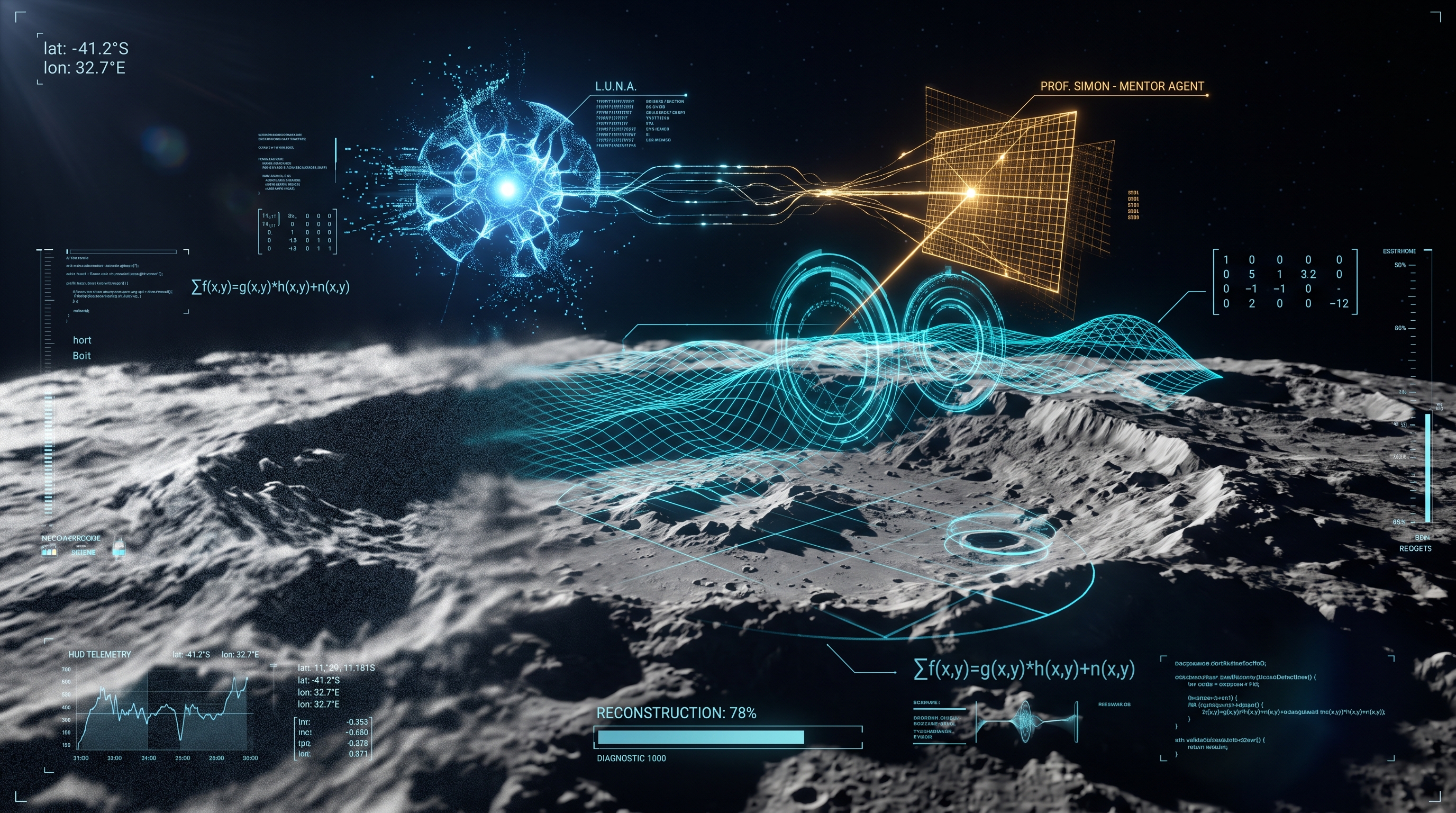
The Architecture Paradigm: Agent-based LLM Supervision instead of Unsupervised Inference
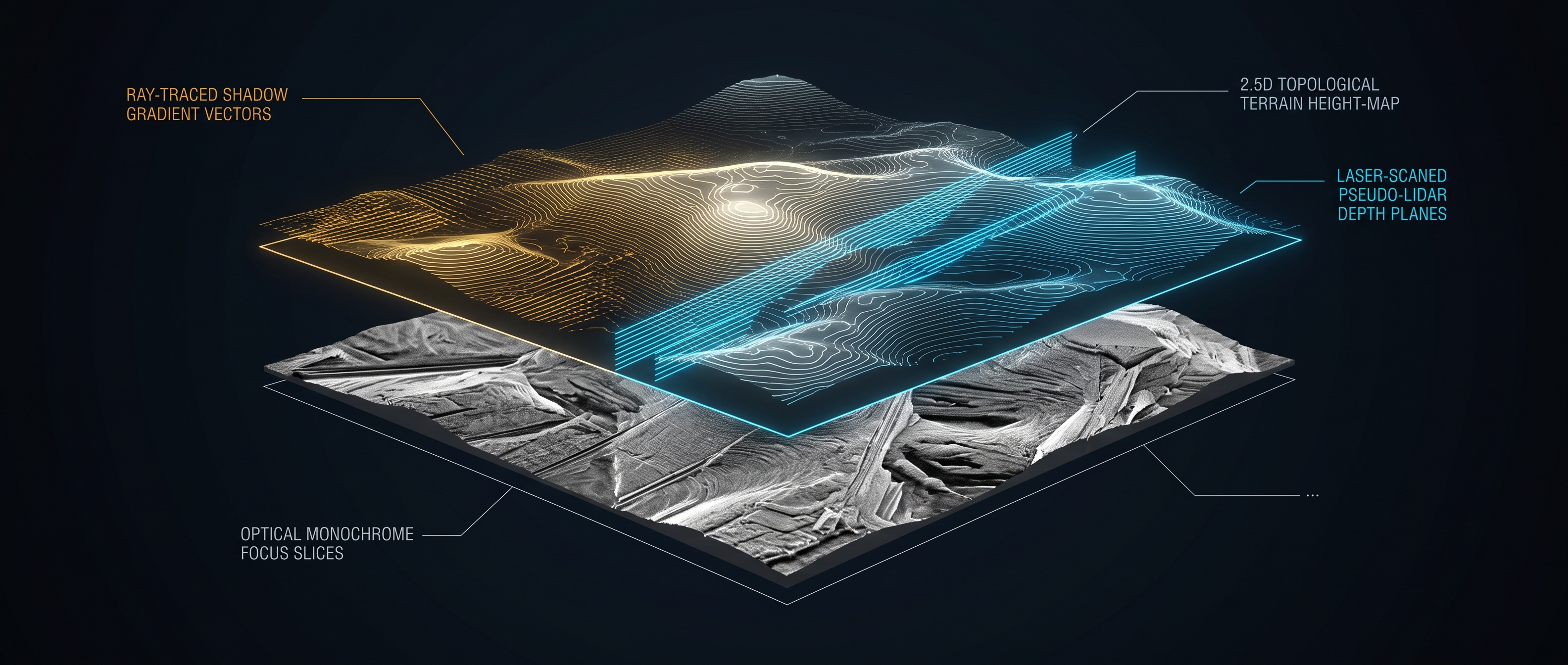
Classical image processing usually considers the finished summation image as a pure two-dimensional end product: an arrangement of RGB pixels, optimized for sharpness, noise reduction, and K
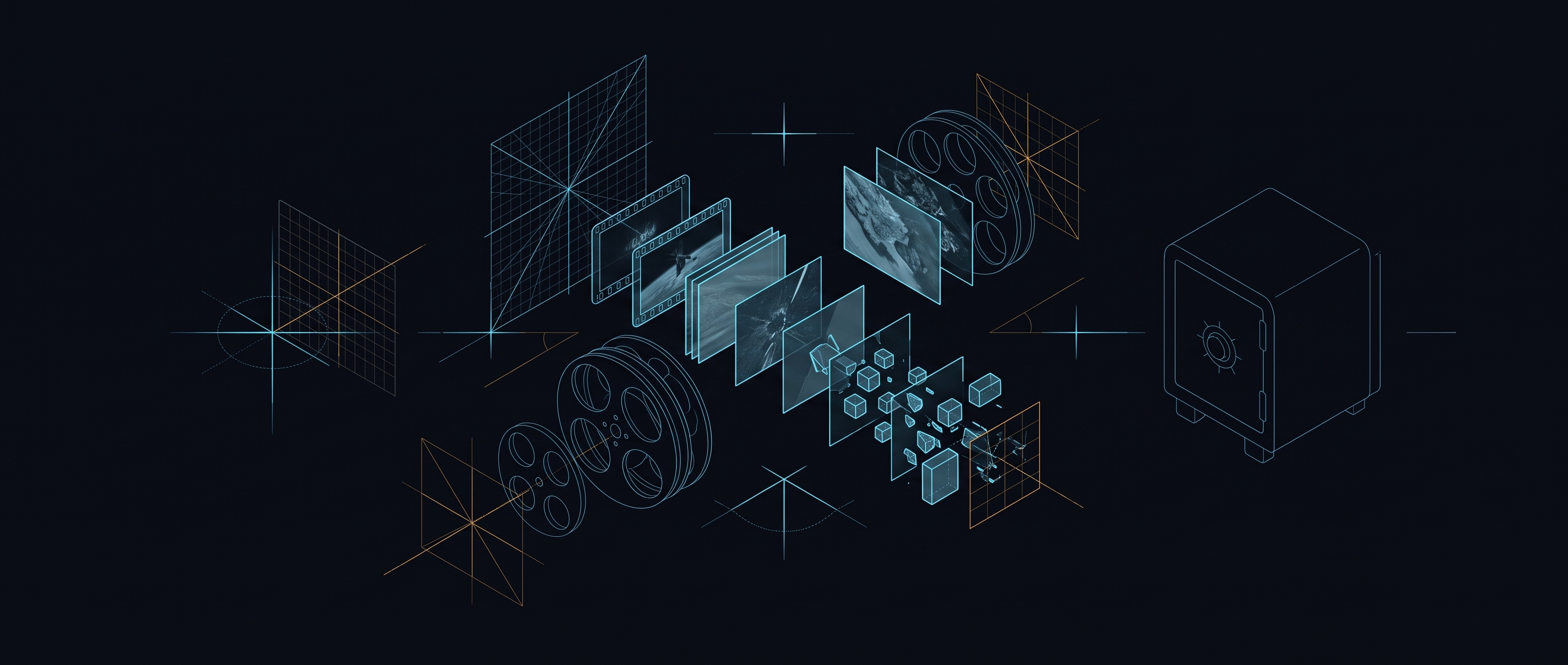
Those who process high-resolution image stacks or extensive video recordings of astronomical and macroscopic subjects quickly encounter the limits of conventional stacking suites.
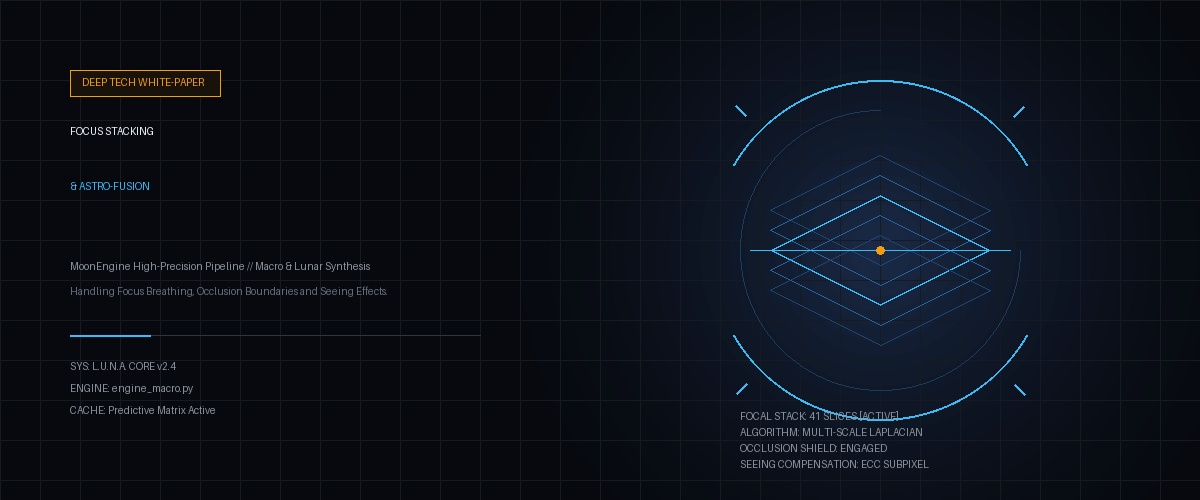
In computational image processing there exist two domains that at first glance could hardly be distinguished academically: astrophotography, which
Every ambitious software project begins with frustration about the status quo. In my case, it wasn't purely academic interest in Large Language Models or image processing